We visited a Walsall neighbourhood where the people work together to make it a better place to live and work
This area of Walsall has suffered from deprivation but still has a strong community spirit among those who live and work in it.
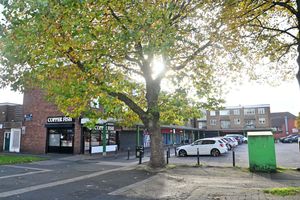
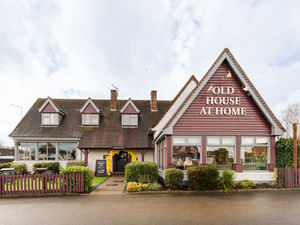
The Leamore area of Walsall has suffered from neglect over the years, seeing shops and all but one of its pubs gradually disappear, but still carries a community spirit which lifts the people in it.
The area, between Walsall and Bloxwich, was first mentioned in property deeds in 1420 and by 1775 a settlement had grown up around the area, eventually becoming a hamlet associated with Bloxwich.
In the 19th century, the area was well-known for leather, mining and metal, with nearby Forest Colliery among the mining operations in that time, while the area also had a Methodist Chapel and saw Leamore Junior & Infants School opened in the 1870s; the school is still open today.
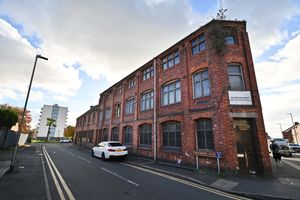
Leamore Park was originally playing fields which were provided for the people of Bloxwich and Blakenall Heath from the Miners’ Welfare Fund charity and is now owned by Walsall Council, while the development of the area in the 1960s saw new flats and shops built on the site of a chapel off Bloxwich Road.
Noddy Holder, the lead singer of Slade, grew up in Beechdale, the largest single housing development in Leamore, built by Walsall Council in the 1950s to rehouse people from the town centre slum clearances.
Modern-day Leamore is a busy place, with traffic passing through towards Bloxwich and Walsall, a large number of businesses and people out shopping and walking.