Birmingham City unveil plans for £1.2bn 'Powerhouse' stadium in huge 'statement of intent' for Birmingham and the West Midlands
Birmingham City have revealed plans for the club's new 62,000 capacity stadium as part of the club's £3bn Sports Quarter project.
The design for Birmingham City FC's new 'Powerhouse' £1.2bn stadium was unveiled on Thursday, November 20 afternoon at an event in Digbeth, as over 14,000 watched live on a YouTube stream.
Knighthead chief and Birmingham City chairman Tom Wagner unveiled the design for the 62,000-seater stadium that will act as the centrepiece of the planned Sports Quarter, and was joined by Blues-supporting film director Steven Knight, who has been part of the design committee, and Heatherwick Studio architect Eliot Postma for the grand unveiling. West Midlands Mayor Andrew Parker was also in attendance.
Owners Knighthead took over the club in 2023 and announced their intentions to move the club out of their long-term home St Andrews, and into a state-of-the-art new stadium within a Sports Quarter inspired by Manchester City's Etihad Campus.
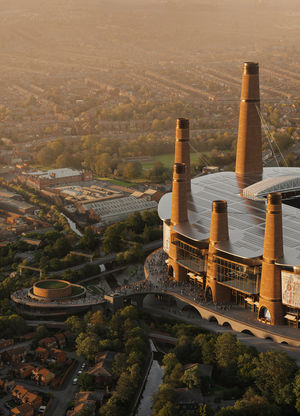
Since purchasing a 48-acre site formerly known as Birmingham Wheels in April 2024 Knighthead have expanded their ownership of land in the area, and it is believed that the new Sports Quarter will be set across more than 130 acres of land.
Located in Bordesley Green in East Birmingham, it will become a major new city landmark that reflects the region’s industrial heritage while embracing cutting-edge engineering.
Tom Wagner, Knighthead Co-CEO and BCFC Chairman said: “This is a huge milestone for Birmingham City Football Club, creating a home for the club that reflects our ambition to compete at the highest level.
"More than that, the iconic design is a statement of intent for the City of Birmingham and the West Midlands, testament to a region that is on the rise.
"The stadium draws upon the proud heritage of the West Midlands – a heritage of industry, ingenuity and growth. I believe those same qualities can create a new era of success on and off the field and prosperity for local communities that have been starved of opportunities for too long."
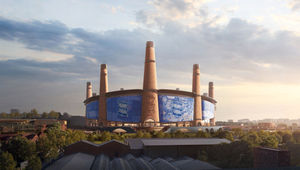
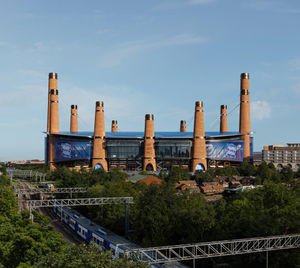
Designs for the stadium feature a retractable roof and moveable pitch, enabling year-round flexibility for major sporting events, international music concerts and large-scale cultural experiences.
Birmingham City say the steep bowl is 'designed to create the most intense matchday moments.'
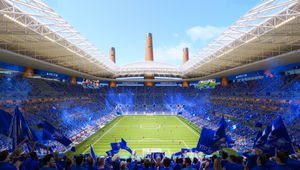
In his speech at the event Tom Wagner added: "It will have a roof that can close in 20 minutes, pitches that can change depending on who is playing. It will also have the best acoustics anywhere in the world."
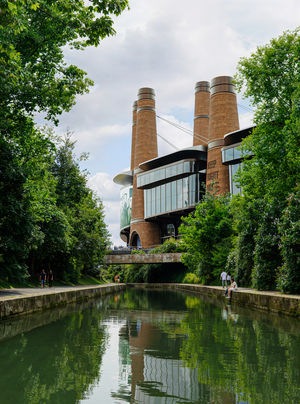
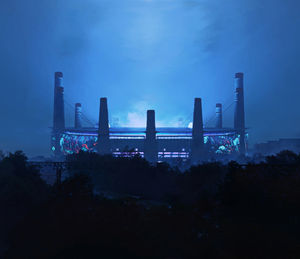
The most striking part of the design is the twelve chimney-form towers, which echo the brickworks that once sat on the site.
They will provide structural support for the roof while accommodating lifts and staircases and helping with ventilation. One chimney will include a lift to Birmingham’s highest bar, offering citywide views and an immersive storytelling experience.
The wider precinct has been designed as a year-round destination - with markets, cafés, restaurants, play areas and social spaces for all.
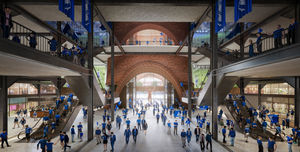
David Manica, president and owner of MANICA Architecture, said: “Birmingham is a resilient and passionate community, so the design of this new stadium needed to embody the grit and passion of its people. The Powerhouse’s design is both intentional and meticulous, paying homage to a passionate fanbase while laying the foundation for the Bluenoses of tomorrow.”
Thomas Heatherwick, founder and design director of Heatherwick Studio, said: “Too often, stadiums feel like spaceships that could have landed anywhere, sterilising the surrounding area. This stadium grows from Birmingham itself – from its brickworks, its thousand trades, and the craft at its core.
“It's also a wholehearted place for the community. The stadium will truly come alive where it meets the ground; a place for play, gathering, and everyday life. The goal is to capture the spirit of the city and give it back to Birmingham.”